
Can’t See the Board at School? 4 Signs Your Child May Be Nearsighted
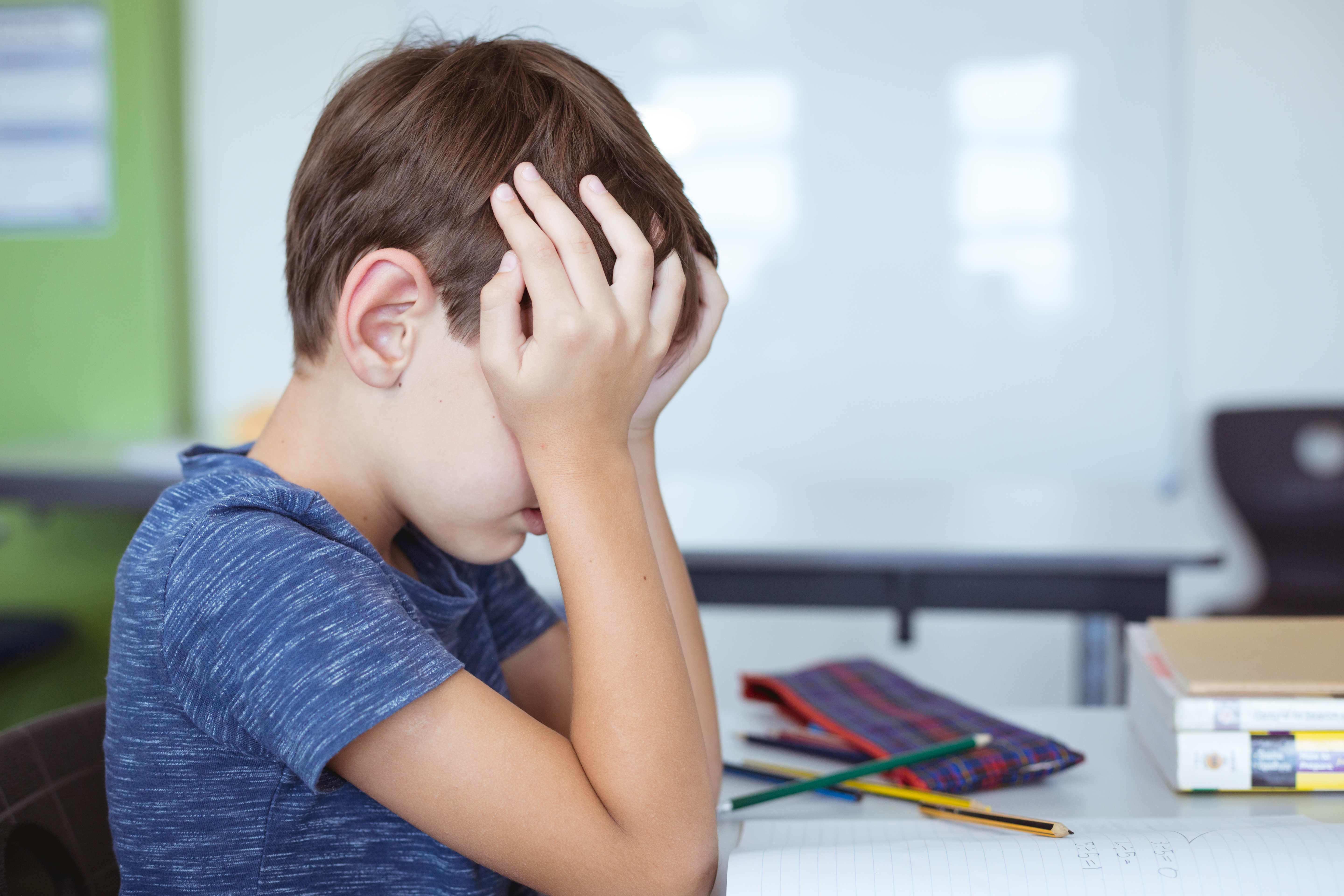
If your child is squinting to see the board at school or having trouble seeing things across the room, it may be more than distraction or where they are sitting. Myopia, also called nearsightedness, causes objects in the distance to appear blurry while close-up vision may remain clear.
Because myopia often develops gradually, children may not realize their vision has changed. They may simply assume that everyone sees the same way they do. At Eye Care Center of North Jersey in Scotch Plains office, we help families identify vision changes through comprehensive eye exams and discuss myopia management when appropriate.
Why Myopia in Children Can Be Easy to Miss
Children can be remarkably good at adapting to blurry vision. Instead of telling you they cannot see clearly, they may move closer to the TV, choose a seat near the front of the classroom, bring objects closer to their face, or find other ways to compensate.
School vision screenings can identify some potential vision problems, but they are not a substitute for a comprehensive eye examination. A complete exam allows us to measure your child's prescription, evaluate their eye health, and determine whether myopia or another vision problem may be affecting how they see at school and during everyday activities.
4 Signs Your Child May Be Nearsighted
1. Squinting to See the Board, TV, or Signs
If your child frequently squints when looking across the classroom, watching television, or trying to read signs from a distance, blurry distance vision may be the reason. Squinting can temporarily make an image appear sharper, so children with uncorrected myopia may begin doing it without realizing why.
2. Moving Closer to See Clearly
Pay attention if your child consistently sits very close to the television, prefers the front of the classroom, or moves closer to something before they can see the details. Children with myopia generally see more clearly up close than they do at a distance.
3. Visual Fatigue or Complaints After School
Headaches and eye discomfort can have many causes. However, if your child regularly says their eyes feel tired or uncomfortable after school or other visually demanding activities, it is worth having their vision checked. A comprehensive eye exam can help determine whether an uncorrected prescription or another vision issue may be contributing.
4. Having Trouble Recognizing Things From a Distance
Your child may have difficulty recognizing a friend across the room, following a ball during sports, reading a classroom display, or seeing road and building signs until they get closer. These everyday situations can sometimes reveal a distance-vision problem before a child ever says that things look blurry.
Why Early Detection and Myopia Management Matter
Myopia commonly develops during childhood and may continue to progress as a child's eyes grow. Traditional glasses or contact lenses can correct blurry distance vision, but correcting myopia and managing its progression are not necessarily the same thing.
For children whose myopia is progressing, there are options specifically designed to help slow that progression. Depending on the child, these may include Stellest myopia-control eyeglass lenses, MiSight 1 Day contact lenses, orthokeratology (Ortho-K), or low-dose atropine eye drops.
For children who prefer glasses, Stellest lenses provide clear vision while using specialized lens technology designed to help slow myopia progression. The most appropriate option depends on your child's age, prescription, eye health, lifestyle, and how their myopia is changing over time.
When Should Your Child Have an Eye Exam?
If your child is squinting to see the board, sitting unusually close to the television, having difficulty seeing across a room, or has not had a comprehensive eye examination recently, scheduling an exam is a good next step. Even if your child passes a school vision screening, a comprehensive exam can provide a more complete picture of their vision and eye health. Families from Fanwood, Westfield, Berkeley Heights, and nearby areas can visit our Scotch Plains office for pediatric eye exams and personalized guidance if signs of nearsightedness are developing.
Schedule your child's comprehensive eye exam with Eye Care Center of North Jersey by calling (908) 322-8040 or requesting an appointment online.

Our Services
Contact Info
Phone: (908) 322-8040
Hours of Operation
- Monday 9:00am - 7:00pm
- Tuesday 9:00am - 7:00pm
- Wednesday 9:00am - 5:00pm
- Thursday 9:00am - 7:00pm
- Friday 9:00am - 4:00pm
- Saturday Closed
- Sunday Closed
© 2026 Eye Care Center of North Jersey. All rights Reserved. Accessibility Statement - Privacy Policy - Sitemap
Powered by:
